
8 Best Dropshipping Automation Tools for Ecommerce Sellers in 2026
Compare the 8 best dropshipping automation tools for 2026, from AutoDS and DSers to Spocket and Zendrop, on order automation, supplier quality, pricing, and fulfillment speed for ecommerce sellers so you can scale without manual work.

Disclosure: This post contains affiliate links. If you sign up through them, we may earn a
commission at no extra cost to you. We only recommend tools we believe deliver real value.
Read our full Affiliate & Earnings Disclaimer.
The best dropshipping automation tool for ecommerce sellers in 2026 is AutoDS, because it automates product importing, price and stock monitoring, and order fulfillment across multiple suppliers and sales channels in one dashboard, so a seller can scale without manually placing every order.
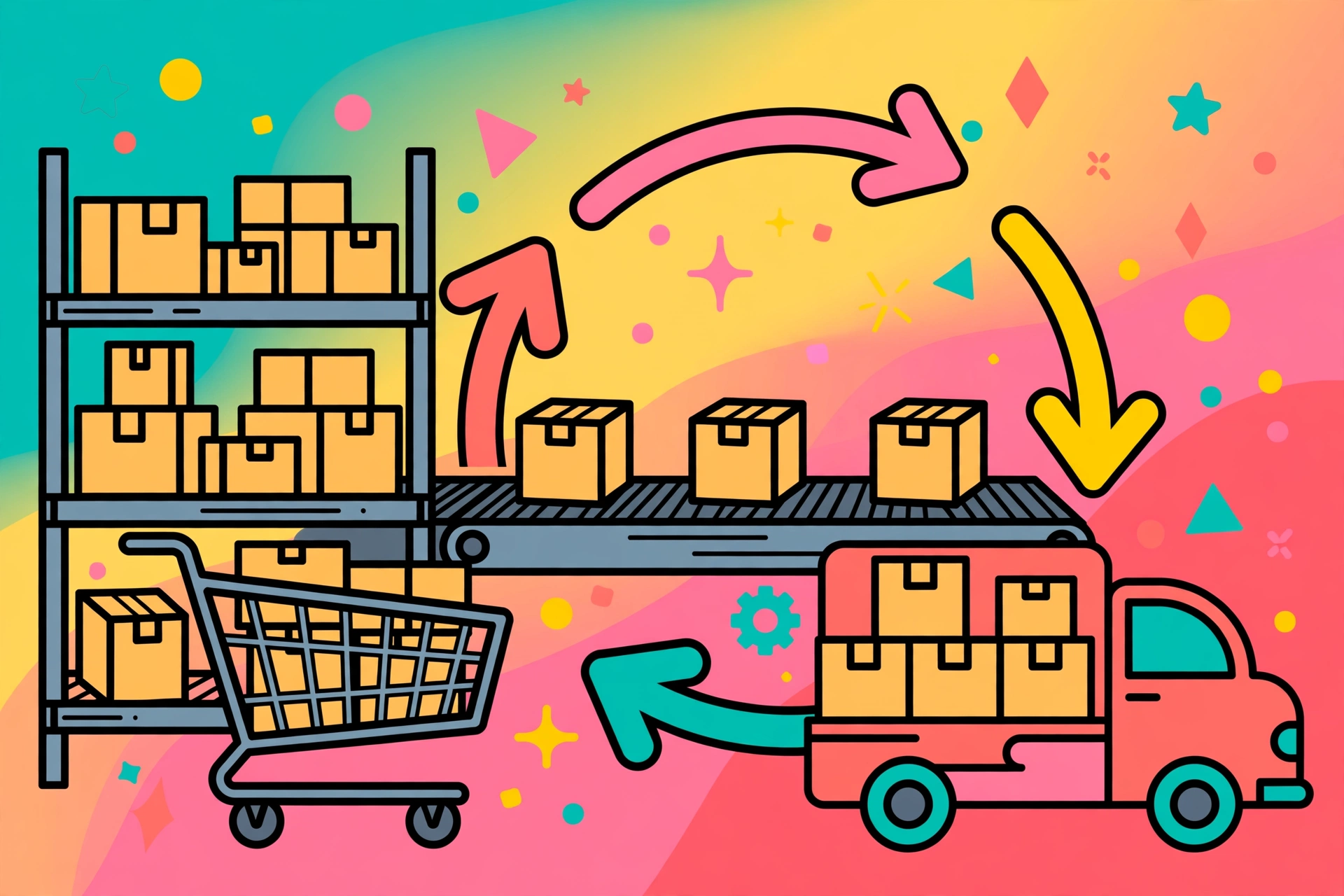
Dropshipping breaks down at the boring parts: a supplier raises a price, an item sells out, or ten orders need placing before lunch. These eight tools fix different parts of that problem. DSers and CJ Dropshipping are built around a specific supply chain, Spocket and Zendrop sell speed and supplier quality, and Sell The Trend focuses on finding the product. I compared them on automation, suppliers, fulfillment speed, and cost.
Key Takeaways
- Best overall: AutoDS — automated ordering plus price and stock monitoring, from around $27/mo.
- Best for AliExpress: DSers — bulk ordering and a free plan; paid plans from around $16/mo.
- Fastest delivery: Zendrop and Spocket use US and EU suppliers or warehouses, cutting delivery from weeks to days.
- No monthly fee: CJ Dropshipping charges no platform fee; you pay product and shipping costs per order.
- Best research: Sell The Trend finds trending products first, then pushes them to your store.
How to choose: AutoDS for all-round automation, DSers for AliExpress only, Zendrop or Spocket for delivery speed, and Sell The Trend for product research.
⭐ Quick Picks
8 dropshipping automation tools compared on suppliers, fulfillment, and starting price — updated November 2026.
Best Overall
Try AutoDS →
AutoDS
All-in-one automation: importing, monitoring, and hands-off fulfillment
Best US Fulfillment
Try Zendrop →
Zendrop
US warehousing, fast delivery, and custom packaging options
1. AutoDS — Best Overall
AutoDS earns the top spot because it automates almost the entire workflow in one place. Import products from multiple suppliers, set pricing rules that protect your margin, and let it monitor prices and stock around the clock. When an order arrives, AutoDS can place it automatically, add tracking, and update the customer. It is the easiest tool here to grow with instead of outgrowing.
AutoDS
Best OverallThe most complete platform here: research, importing, monitoring, and automated ordering under one login.
Pricing: From around $27/mo for entry plans, with higher tiers adding more monitors and automation; a low-cost trial is often available. Check official pricing.
Pros
- Automated ordering, tracking, and updates
- Price and stock monitoring around the clock
- Imports from many suppliers and marketplaces
- Built-in product research and pricing rules
Cons
- Higher tiers needed for full automation
- Learning curve from the wide feature set
- Automation costs add to supplier fees
Best for: sellers who want one system to import, monitor, and fulfill orders across channels.
Try AutoDS →2. DSers — Best for AliExpress
DSers is the official AliExpress partner, and that focus shows at volume. Instead of placing orders one by one, process hundreds in bulk, map multiple suppliers to one product, and use the Supplier Optimizer to switch sellers when price or shipping changes. Its free plan is genuinely usable. If AliExpress is your supply chain, DSers removes most manual work for the lowest entry cost here.
DSers
Best for AliExpressThe AliExpress specialist: bulk ordering and supplier mapping for high-volume sellers.
Pricing: Free plan available; paid plans from around $16/mo, scaling with order volume and features. Check official pricing.
Pros
- Bulk AliExpress ordering in minutes
- Supplier Optimizer finds better sellers
- Free plan is usable for new stores
- Strong Shopify and WooCommerce integration
Cons
- Focused mainly on AliExpress sourcing
- Advanced automation needs a paid plan
- No built-in US warehouse network
Best for: AliExpress sellers processing growing order volume who need bulk ordering without high software costs.
Try DSers →3. Spocket — Best Vetted Suppliers
Spocket takes a different approach: a curated catalog of pre-vetted suppliers, many in the US and EU, instead of marketplaces you found yourself. That vetting matters, because faster shipping and reliable quality reduce the refunds that kill new stores. Order samples, add branded invoicing, and push products to your store with pricing rules applied. It is less of a bulk-ordering machine than DSers, but stronger on supplier trust.
Spocket
Best Vetted SuppliersA vetted supplier marketplace: sample orders, branded invoicing, and one-click imports.
Pricing: From around $40/mo for the starter plan, with higher tiers for more products and premium suppliers. Check official pricing.
Pros
- Pre-vetted suppliers, many US and EU based
- Branded invoicing on supplier shipments
- Sample ordering inside the dashboard
- One-click imports with pricing rules
Cons
- Higher starting price than DSers
- Catalog smaller than open marketplaces
- Premium products locked to higher tiers
Best for: sellers who will pay a little more for vetted suppliers, faster shipping, and a more branded experience.
Try Spocket →4. Zendrop — Best US Fulfillment
Zendrop attacks dropshipping’s biggest weakness: slow delivery. Its US warehouses stock popular products so orders reach American customers in days, not weeks, and fulfillment is automatic. Paid plans add custom packaging, helping an order feel like a brand shipment. Sourcing beyond its catalog can be requested, although pricing is less transparent than a marketplace. For US-focused stores competing on speed, Zendrop is the clear pick.
Zendrop
Best US FulfillmentUS fulfillment-first automation: stocked warehouses, automatic fulfillment, and branding options.
Pricing: Free plan available to start; Pro from around $49/mo adds automation and branding features. Product and shipping costs are extra. Check official pricing.
Pros
- US warehouse fulfillment for fast delivery
- Automatic order fulfillment once connected
- Custom packaging options on paid plans
- Free plan to test products and workflow
Cons
- Catalog narrower than AliExpress or CJ
- Product costs can be higher than sourcing direct
- Best features sit behind the Pro plan
Best for: US-focused sellers who compete on delivery speed and want fulfillment handled automatically.
Try Zendrop →5. CJ Dropshipping — Best Sourcing + Fulfillment
CJ Dropshipping is both a sourcing agent and a fulfillment network, giving it a range pure software cannot match. Source from its catalog, request sourcing for items found elsewhere, use print on demand, and store inventory in its warehouses. Orders from Shopify, WooCommerce, and eBay flow in for picking, packing, and shipping, with custom packaging available. There is no monthly platform fee, so costs sit in product and shipping — powerful, but watch per-order costs closely.
CJ Dropshipping
Best Sourcing + FulfillmentSourcing plus fulfillment: catalog, custom sourcing, print on demand, and global warehouses.
Pricing: No monthly platform fee to start; you pay product, shipping, and optional warehousing or packaging costs per order. Check official pricing.
Pros
- No monthly platform fee to start
- Custom sourcing and print on demand
- Warehouses in the US and other regions
- Custom packaging and quality checks available
Cons
- Per-order and shipping costs need close tracking
- Interface is less polished than AutoDS
- Delivery times vary by warehouse and line
Best for: sellers who need sourcing help and global fulfillment, not just software automation.
Try CJ Dropshipping →6. Dropified — Best Multi-Store
Dropified is the workhorse for sellers running more than one store. A browser extension imports products from AliExpress, Alibaba, eBay, and dozens of other sites; edit titles, images, and variants before publishing, then automate ordering and tracking updates. Its strength is operational: saved suppliers, automatic price and inventory changes, and several stores managed from one account. It offers less research help than Sell The Trend, but streamlines the daily grind across every store.
Dropified
Best Multi-StoreMulti-store automation: fast importing, auto ordering, and inventory updates across stores.
Pricing: From around $47/mo, with higher tiers for more stores and automation. A trial is often available. Check official pricing.
Pros
- Manage multiple stores from one account
- One-click importing from many marketplaces
- Automated ordering with tracking updates
- Automatic price and inventory adjustments
Cons
- Less beginner guidance and research help
- Best value only at multi-store volume
- Interface feels utilitarian, not modern
Best for: experienced sellers running several stores who need importing and ordering automated everywhere.
Try Dropified →7. Inventory Source — Best Supplier Directory
Inventory Source is a directory with automation attached. It connects your store to more than 200 vetted wholesale and dropship suppliers, mainly in the US, and syncs catalogs, inventory, and orders into Shopify, WooCommerce, BigCommerce, and other platforms. That suits sellers who want legitimate supplier relationships and cleaner data. Full automation costs more, and each supplier has its own fees, but for a long-term multi-supplier store it is the most structured option.
Inventory Source
Best Supplier DirectoryA supplier directory plus platform: vetted catalogs synced to your store with order routing.
Pricing: Free directory account available; full inventory and order automation plans from around $99/mo. Suppliers may charge separate fees. Check official pricing.
Pros
- Access to 200+ vetted suppliers
- Inventory and product data sync automatically
- Orders routed directly to suppliers
- Works with most major store platforms
Cons
- Full automation costs more than rivals
- Each supplier adds its own fees and rules
- Setup takes longer than one-supplier tools
Best for: serious sellers building a multi-supplier store on vetted, mainly US-based supplier relationships.
Try Inventory Source →8. Sell The Trend — Best Product Research + Automation
Sell The Trend starts earlier: finding the product. Its NEXUS engine analyzes trending products across marketplaces and social platforms, showing engagement, orders, and competitor stores so you can judge demand before listing. Pick a winner, push it to Shopify, then use its ordering automation. The research data is the reason to pay — if you already know what sells, a cheaper tool may do. If finding winners is your bottleneck, this pays for itself fastest.
Sell The Trend
Best Product Research + AutomationResearch-led automation: AI trend discovery, one-click store push, and fulfillment tools.
Pricing: From around $40/mo for the entry plan, with higher tiers adding more research and automation credits. Check official pricing.
Pros
- AI product research shows real demand signals
- One-click push of products to Shopify
- Competitor and trend data in one dashboard
- Ordering automation included after research
Cons
- Research focus is mainly Shopify-centric
- Trend data still needs your own testing
- Fulfillment depth is less than AutoDS
Best for: sellers whose main problem is finding winning products, not just fulfilling orders faster.
Try Sell The Trend →Dropshipping Automation Tools Compared
Match the tool to your supply chain first, then to your budget. An AliExpress-only seller gains little from a supplier directory, and a seller with slow shipping needs a warehouse tool, not a cheaper ordering app.
| Tool | Best For | Starting Price | Key Automation | Free Plan or Trial |
|---|---|---|---|---|
| AutoDS | Overall automation | From around $27/mo | Auto ordering, price & stock monitoring | Trial available |
| DSers | AliExpress sellers | Free / from around $16/mo | Bulk ordering, supplier optimizer | Yes — free plan |
| Spocket | Vetted suppliers | From around $40/mo | Supplier orders, branded invoicing | Trial available |
| Zendrop | US fulfillment | Free / from around $49/mo | Auto US warehouse fulfillment | Yes — free plan |
| CJ Dropshipping | Sourcing + fulfillment | No monthly fee | Sourcing, warehousing, fulfillment | Yes — free to start |
| Dropified | Multi-store sellers | From around $47/mo | Multi-store importing & ordering | Trial available |
| Inventory Source | Supplier directory | Free / from around $99/mo | Supplier sync & order routing | Yes — free account |
| Sell The Trend | Product research | From around $40/mo | AI research, push-to-store, ordering | Trial available |
Test before you scale: connect one tool, list a few products, and place test orders. Check delivery time, tracking, and total per-order cost before automating a full catalog.
Frequently Asked Questions
What is dropshipping automation and why do sellers need it?
Dropshipping automation handles the repetitive work between an order and delivery: importing products, syncing prices and stock, placing supplier orders, and sending tracking to customers. Manual ordering breaks as volume grows, causing delays, price errors, and oversold items.
Which dropshipping automation tool is best for beginners?
AutoDS is the best starting point for most beginners because it combines importing, price and stock monitoring, and automated fulfillment in one dashboard. If you source only from AliExpress, start free on DSers and upgrade when volume justifies it.
How much do dropshipping automation tools cost in 2026?
Most tools charge from around $16 to $50 per month for an entry paid plan, with DSers and CJ Dropshipping offering free ways to start. Spocket starts from around $40 per month, Zendrop and Dropified from around $47 to $49 per month, and Inventory Source charges more. Always check official pricing first.
Is AutoDS or DSers better for AliExpress dropshipping?
DSers is better if AliExpress is your only source, because its bulk ordering and Supplier Optimizer are built for AliExpress. AutoDS is better for multiple suppliers and marketplaces, with stronger price monitoring, research, and hands-off fulfillment across Shopify, eBay, and other channels.
Can I automate dropshipping with US suppliers for faster shipping?
Yes. Zendrop and CJ Dropshipping run US warehouses, Spocket lists many US and EU suppliers, and AutoDS supports US suppliers too. US fulfillment costs more per item than shipping from China, but delivery in days instead of weeks reduces refunds and negative reviews.
Do I still need product research if my tool automates fulfillment?
Yes. Automation makes a winning product easier to scale, but it cannot make a weak product sell. Sell The Trend helps you find products with demand and margin first, while AutoDS, DSers, and the other tools handle importing, pricing, and orders after you choose what to sell.
The Bottom Line
For most sellers, AutoDS is the best dropshipping automation tool in 2026 because it covers importing, monitoring, and fulfillment without locking you to one supplier. Choose DSers if AliExpress is your whole supply chain, Spocket or Zendrop if faster delivery will save more in refunds than the subscription costs, and CJ Dropshipping for sourcing and warehousing without a monthly fee. Add Sell The Trend when product selection is the bottleneck. Automate one workflow at a time and verify on real orders.
Want Ready-Made Tools for Your Store?
Our digital downloads store has calculators, playbooks, and seller systems to help you price, plan restocks, and grow — without another subscription.
Browse Digital Downloads →


