8 Best Website Accessibility Checker Tools for SEO in 2026
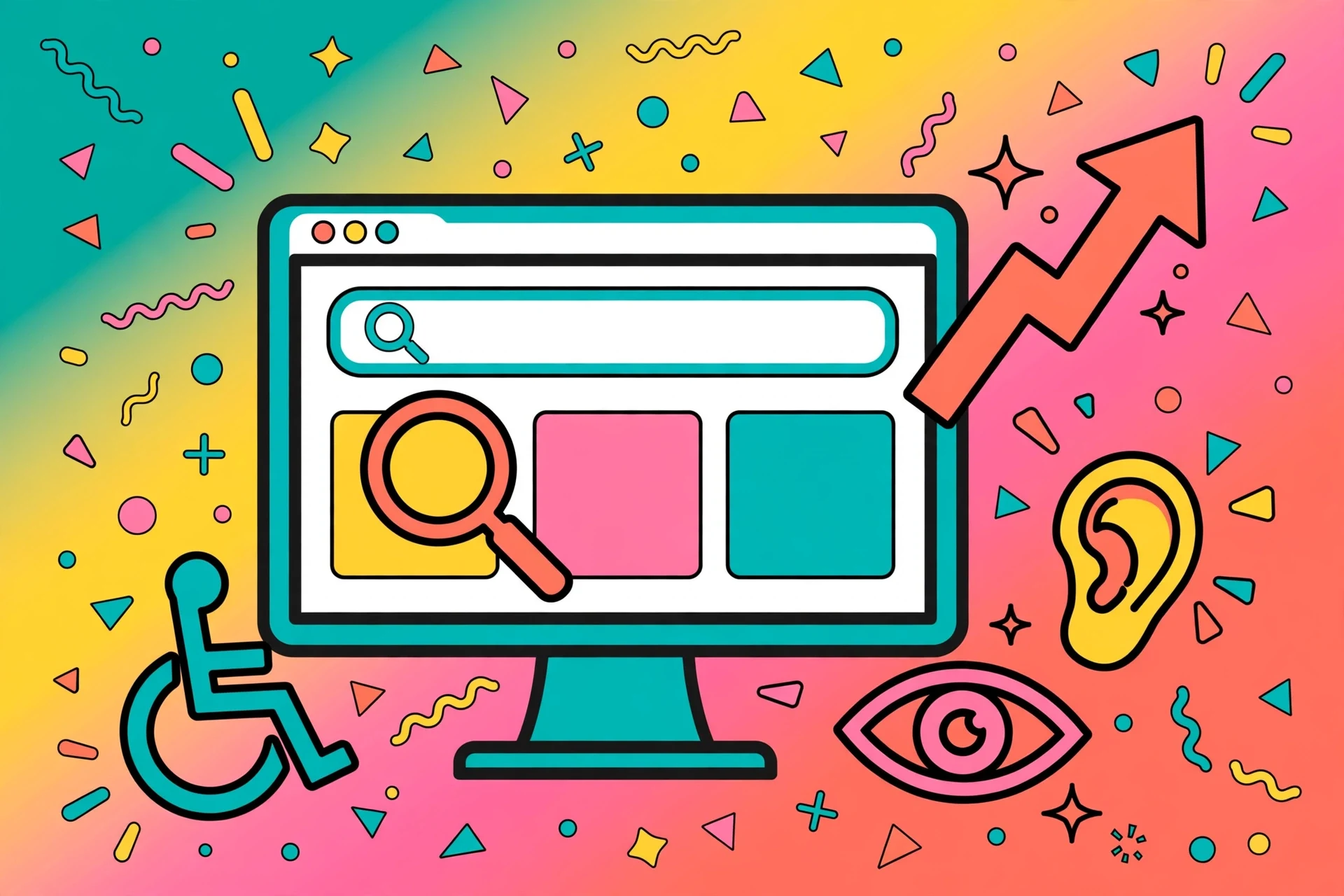
Accessibility errors are also SEO errors, from missing alt text to broken heading order and low contrast. This guide compares eight checker tools that find both, prioritise fixes and protect rankings and conversions for growing websites

Disclosure: This post contains affiliate links. If you sign up through them, we may earn a commission at no extra cost to you. We only recommend tools we believe deliver real value.
Read our full Affiliate & Earnings Disclaimer.
The best choice in this category in 2026 is Siteimprove, because it connects accessibility, SEO and content quality checks in one crawl, so teams fix heading, alt text and contrast issues that hurt both users and rankings. This guide compares the 8 best website accessibility checker tools on real pricing, standout features, pros and cons, and who each tool is actually built for, so you can choose in minutes instead of trialling everything.
I focused on tools a working seller, marketer or creator would still be happy with after the trial ends: clear pricing, a workflow that saves real time, and no nasty surprise when you scale. Every price below reflects the vendors’ published pricing checked in November 2026, because these tools reprice often and older lists are frequently stale.
Honest note: affiliate links for some tools are still being filled in by the owner, so buttons link straight to the official sites where no link is set yet. The rankings are on merit: the right tool with an official URL beats the wrong tool with a commission.
Key Takeaways
- Siteimprove — Best for combined accessibility and SEO auditing: Siteimprove is an enterprise digital experience platform that audits accessibility, SEO, content quality and analytics across large websites in one dashboard.. Plans vary by site size, page volume and modules selected, with custom annual pricing and a demo typically available.
- WAVE by WebAIM — Best free accessibility checker: WAVE is WebAIM’s free accessibility evaluation tool that overlays errors, alerts and structural information directly onto the web page being tested.. Free for single-page web checks and browser extensions, with API and enterprise reporting plans available on paid tiers.
- axe DevTools by Deque — Best for developers fixing accessibility in code: axe DevTools is Deque’s developer-focused accessibility testing tool built on the axe-core engine, running directly inside the browser during development.. Free browser extension tier available, with Pro plans varying by team size and features and enterprise axe Platform pricing on request.
- Monsido by Acquia — Best for content teams and compliance monitoring: Monsido, now part of Acquia, is a web governance platform that continuously scans websites for accessibility, quality assurance, SEO and content errors.. Plans vary by number of pages, domains and features, with custom pricing and a personalised demo typically available.
- Watch the pricing model: per-minute, per-seat and per-contact tools all look cheap at trial size and expensive at scale — run your real volume through the pricing page before you commit.
⭐ Quick Picks
8 tools compared on pricing and real workflows — updated November 2026.
Best for combined accessibility and SEO auditing
Try Siteimprove →
Siteimprove
Siteimprove is an enterprise digital experience platform that audits accessibility, SEO, content quality and analytics across large websites in one dashboard.
Best free accessibility checker
Try WAVE by WebAIM →
WAVE by WebAIM
WAVE is WebAIM’s free accessibility evaluation tool that overlays errors, alerts and structural information directly onto the web page being tested.
Best for developers fixing accessibility in code
Try axe DevTools by Deque →
axe DevTools by Deque
axe DevTools is Deque’s developer-focused accessibility testing tool built on the axe-core engine, running directly inside the browser during development.
Best for content teams and compliance monitoring
Try Monsido by Acquia →
Monsido by Acquia
Monsido, now part of Acquia, is a web governance platform that continuously scans websites for accessibility, quality assurance, SEO and content errors.
1. Siteimprove — Best for combined accessibility and SEO auditing
Siteimprove is the strongest all-in-one choice because it treats accessibility and SEO as the same underlying content problem. Its crawler checks pages against WCAG criteria while also flagging broken links, duplicate titles, missing meta descriptions and readability issues, so a single report shows where a skipped heading level, empty link text or missing image alt attribute is hurting both assistive technology users and search visibility. The prioritisation is genuinely useful: issues are scored by severity and page importance, which helps SEO teams fix high-traffic templates first instead of working through an undifferentiated error list. Dashboards track progress over time, assign tasks and show whether fixes regress after a release, which matters for publishers and ecommerce sites shipping content daily. Siteimprove also covers PDFs, a common blind spot that still gets indexed by Google. The trade-offs are scale and cost. Pricing is custom and aimed at organisations with substantial sites, so a small blog will pay for governance features it never uses. Setup and taxonomy configuration take real effort, and remediation still depends on your developers and writers acting on the findings. For mid-size and enterprise teams that want one accountable system for accessibility compliance and organic search health, Siteimprove sets the benchmark in this roundup.
Siteimprove
Best for combined accessibility and SEO auditingSiteimprove is an enterprise digital experience platform that audits accessibility, SEO, content quality and analytics across large websites in one dashboard..
Pricing: Plans vary by site size, page volume and modules selected, with custom annual pricing and a demo typically available.
Pros
- One audit for accessibility and SEO issues
- Clear prioritisation by impact and traffic
- Strong reporting for large content teams
Cons
- Custom pricing suits larger organisations
- Setup takes time to configure properly
- Overkill for small single-site owners
Best for: Best for mid-size and enterprise content teams that want accessibility and SEO fixes prioritised together across a large, frequently updated website.
Try Siteimprove →2. WAVE by WebAIM — Best free accessibility checker
WAVE remains the best free starting point for understanding how accessibility and SEO overlap on a real page. Paste in a URL or use the browser extension and it marks errors and alerts in context: missing alt text, empty headings, skipped heading levels, low contrast, missing form labels and link text that makes no sense out of context. That visual approach is ideal for SEOs and content editors, because you see the problem where a visitor and a crawler encounter it, not as an abstract code violation in a spreadsheet. WAVE is especially good for teaching heading discipline. Its structure view shows the heading outline search engines and screen readers both rely on, making illogical H1 to H3 jumps immediately obvious. The limits are equally clear. Single-page checking does not scale to a full site crawl, automated detection only catches a portion of WCAG issues, and WAVE will not manage tasks, track fixes over time or scan behind logins without additional tooling. It also gives guidance rather than remediation, so someone still has to edit the template or content. Used as a free diagnostic and training tool alongside a crawler, though, WAVE delivers insight that paid platforms struggle to present as clearly.
WAVE by WebAIM
Best free accessibility checkerWAVE is WebAIM’s free accessibility evaluation tool that overlays errors, alerts and structural information directly onto the web page being tested..
Pricing: Free for single-page web checks and browser extensions, with API and enterprise reporting plans available on paid tiers.
Pros
- Completely free for single-page checks
- Visual overlays make issues easy to understand
- Excellent for learning heading structure
Cons
- No full-site crawling on the free tool
- Automated checks miss manual-only issues
- No task management or progress tracking
Best for: Best for SEOs, editors and small site owners who want a free, visual way to spot alt text, heading and contrast problems page by page.
Try WAVE by WebAIM →3. axe DevTools by Deque — Best for developers fixing accessibility in code
axe DevTools is where accessibility fixes that protect SEO actually get implemented, because it lives in the developer workflow rather than in a monthly audit PDF. The free extension scans a page in seconds and reports violations with the exact HTML element, failure summary and remediation guidance, covering issues like missing landmarks, unlabelled controls, duplicate IDs and contrast failures. Those structural problems matter for search as well as access: clean landmarks and a logical DOM help crawlers interpret content hierarchy, and correctly labelled interactive elements reduce the broken, script-heavy experiences that damage engagement signals. The Pro tier adds guided intelligent tests for keyboard navigation, focus order and modal behaviour, which automated scans alone cannot judge, plus the ability to save, share and export issues into development tickets. Deque’s axe-core engine is an industry standard, so results are consistent with many other platforms that license it. The constraints are audience and scope. axe DevTools tests pages you open, not your whole domain, and its developer framing can intimidate content teams. Enterprise reporting lives in the separate axe Platform. For engineering-led teams that want fast, trustworthy checks before code ships, axe is the most credible tool here.
axe DevTools by Deque
Best for developers fixing accessibility in codeaxe DevTools is Deque’s developer-focused accessibility testing tool built on the axe-core engine, running directly inside the browser during development..
Pricing: Free browser extension tier available, with Pro plans varying by team size and features and enterprise axe Platform pricing on request.
Pros
- Trusted axe-core engine with low false positives
- Free extension is genuinely useful
- Fixes issues at source before publishing
Cons
- Page-by-page rather than full-site crawling
- Developer-focused interface for non-coders
- Full reporting needs the separate axe Platform
Best for: Best for developers and technical SEOs who want to catch and fix structural accessibility errors in code before they reach live pages.
Try axe DevTools by Deque →4. Monsido by Acquia — Best for content teams and compliance monitoring
Monsido suits the organisations where accessibility and SEO decay quietly: universities, councils, healthcare providers and multi-site brands publishing through many contributors. It crawls the whole site on a schedule and flags WCAG failures alongside broken links, misspellings, missing alt text, duplicate content and slow or unresponsive pages, then groups findings so a central team can push fixes out to the people who own each section. The accessibility prioritisation is practical, ranking issues by compliance risk and showing exactly which pages repeat a template-level error, which is also how SEO teams should think, since one faulty template can suppress thousands of URLs. Monsido’s policy and inventory features help maintain standards over time rather than treating an audit as a one-off project, and its Acquia and Drupal connections help larger CMS estates. Where it is weaker is depth at the code level: developers may still want axe for in-browser testing, and smaller sites will find the governance machinery and custom pricing disproportionate. Reporting can also surface large error counts that overwhelm teams without a triage plan. For distributed content operations that need continuous monitoring rather than occasional scans, Monsido is a strong, manageable choice.
Monsido by Acquia
Best for content teams and compliance monitoringMonsido, now part of Acquia, is a web governance platform that continuously scans websites for accessibility, quality assurance, SEO and content errors..
Pricing: Plans vary by number of pages, domains and features, with custom pricing and a personalised demo typically available.
Pros
- Continuous monitoring catches regressions early
- Groups template errors for efficient fixes
- Well suited to many-contributor websites
Cons
- Custom pricing aimed at larger organisations
- Less developer depth than axe tools
- Large error counts need careful triage
Best for: Best for universities, public sector and multi-site organisations that need ongoing accessibility and SEO monitoring across many content contributors.
Try Monsido by Acquia →5. AudioEye — Best for managed accessibility remediation
AudioEye is aimed at businesses that want accessibility handled rather than merely reported. Its platform scans for WCAG issues and applies automated fixes for many common problems at the JavaScript layer, while its expert team performs manual audits and remediation for the issues automation cannot solve, such as meaningful alt text, logical reading order and keyboard journeys through checkout. For SEO, that managed approach has a real benefit: heading structure, image descriptions and link purpose get human attention, and those are precisely the elements that also help search engines understand a page. AudioEye also provides compliance documentation and legal support positioning that risk-conscious businesses value, particularly in the United States. The caveats deserve honesty. Overlay and automated-fix approaches are debated in the accessibility community, and no JavaScript layer can repair a fundamentally broken template or replace semantic HTML. Pricing scales with traffic and service level, so growing sites should model costs carefully, and teams lose some direct control when remediation is outsourced. AudioEye works best when its automation is paired with source-level fixes over time. For resource-stretched ecommerce and lead-generation sites that need progress quickly, it offers the most hands-on route in this list.
AudioEye
Best for managed accessibility remediationAudioEye combines automated accessibility scanning and fixing technology with expert human testing and managed remediation services for businesses..
Pricing: Plans vary by site traffic, page count and service level, with tiered and custom pricing and a free scan typically available.
Pros
- Managed service reduces internal workload
- Human review covers issues automation misses
- Fast progress for resource-stretched teams
Cons
- Automated fixes cannot replace semantic HTML
- Costs scale with traffic and service tier
- Less direct control than in-house remediation
Best for: Best for businesses without in-house accessibility expertise that want scanning, remediation and compliance support managed for them.
Try AudioEye →6. UserWay — Best for fast widget-based improvements
UserWay is best known for its accessibility widget, a small interface visitors can use to enlarge text, increase contrast, pause animations, highlight links and switch to a more readable font. Installed in minutes on WordPress, Shopify and most other platforms, it improves the lived experience of a site immediately, and better readability and lower friction support the engagement and conversion outcomes SEOs care about. Behind the widget, UserWay’s scanner identifies violations such as missing alt attributes, empty links and contrast errors, and its paid tiers add monitoring and remediation guidance. The important limitation, which UserWay itself acknowledges in its fuller offerings, is that a widget alone does not make a site WCAG compliant or fix the underlying code search engines parse. Crawlable structure, heading order and server-rendered alt text still need source fixes, and accessibility specialists caution against treating any overlay as a complete solution. Pricing is accessible for small businesses, with a free entry point and traffic-based paid plans. UserWay is therefore best used as one layer: instant visitor-facing improvements and continuous scanning, combined with a programme of template and content fixes using the other tools in this guide.
UserWay
Best for fast widget-based improvementsUserWay provides an AI-powered accessibility widget and scanning tools that add user-facing adjustments and flag WCAG issues on existing websites..
Pricing: Plans vary by site traffic and features, with a free widget tier and paid plans scaling by page views.
Pros
- Installs in minutes with no redesign
- Visitor controls improve readability instantly
- Free tier lowers the barrier to starting
Cons
- Widget alone does not ensure WCAG compliance
- Does not fix crawlable source structure
- Paid costs rise with page views
Best for: Best for small businesses that want immediate visitor-facing accessibility improvements and scanning while they work through deeper code fixes.
Try UserWay →7. accessiBe — Best for AI-driven automated remediation
accessiBe is the most prominent AI-first accessibility platform, and it is also the most contested. Its system scans a site and applies hundreds of automated adjustments — alt text generation, ARIA labelling, contrast and keyboard navigation fixes — while providing an on-screen interface for visitors to customise their experience. For site owners, the appeal is speed: deployment is a single script, and the dashboard shows issue counts falling without developer sprints. That convenience matters for businesses that need a visible accessibility effort quickly and cannot resource a full remediation programme. The caution is essential, though. Automated remediation cannot reliably produce accurate alt text, determine reading order or judge whether a control is usable by keyboard alone, and accessibility professionals widely advise that overlays and AI fixes should complement, not replace, source-level work. Legal and compliance claims attached to any automated product should be read carefully, and the tool’s cost rises with traffic. Used pragmatically — as a fast improvement layer plus a scanner that flags what to fix properly in the template — accessiBe can help, but pairing it with WAVE or axe for honest verification is the responsible approach. Its standout remains the sheer breadth of automation on offer.
accessiBe
Best for AI-driven automated remediationaccessiBe is an AI-powered accessibility platform that automatically scans and adjusts websites for WCAG compliance and adds a user interface for visitors..
Pricing: Plans vary by site size and monthly page views, with tiered monthly pricing and a free scan typically available.
Pros
- Broad automation across many issue types
- Very fast deployment with a single script
- Visitor interface improves perceived usability
Cons
- Automation cannot fix all issues accurately
- Overlay approach is debated by specialists
- Costs scale with site traffic
Best for: Best for businesses that want rapid, automated accessibility improvements and a visitor interface while they plan deeper source fixes.
Try accessiBe →8. Level Access — Best for enterprise accessibility programmes
Level Access is the enterprise programme option, combining its scanning platform with expert services and legal support for organisations managing accessibility at scale. Its software crawls large estates and reports on WCAG and Section 508 compliance, while its team provides audits, training, remediation roadmaps and ongoing monitoring that keep accessibility from slipping between releases. For SEO, that programme discipline translates into consistent heading structure, alt text standards and link practices across thousands of pages, which is exactly the kind of site-wide consistency search engines reward. Level Access also emphasises legal defensibility: documentation, VPATs and audit trails that demonstrate effort, which matters to regulated industries and public bodies. The trade-offs are the same as any enterprise platform. Pricing is custom and substantial, implementation is a programme rather than a purchase, and smaller teams will not use most of the service depth. Self-serve simplicity is not the goal here. For large organisations, agencies managing enterprise clients, and regulated sectors that need accessibility treated as an ongoing compliance function with SEO benefits, Level Access is the most complete platform in this comparison.
Level Access
Best for enterprise accessibility programmesLevel Access is an enterprise accessibility platform combining automated testing with expert services, audits and legal support for large organisations..
Pricing: Custom enterprise pricing based on site size, scope and services required, with demos and consultations typically available.
Pros
- Combines platform, services and legal support
- Strong programme discipline for large estates
- Documentation supports compliance claims
Cons
- Custom enterprise pricing is substantial
- Implementation is a programme, not a quick fix
- Too much platform for small sites
Best for: Best for large enterprises and regulated organisations that need accessibility managed as an ongoing programme with SEO benefits.
Try Level Access →How to Choose the Right Accessibility Checker Tool
Start with the job, not the logo. Write down the one outcome you need — more recovered revenue, more leads, higher rankings, a stocked asset library, or hours of typing saved — then shortlist only the tools whose strongest use case matches it. For SEO work, weight heading and alt-text checks heavily: they are where accessibility and search most overlap. Check the trial properly: run your homepage and your most valuable money page through the trial, not just a demo. Finally, look at pricing over a year, not a month, and check who will actually use it: the best checker is the one your team will open after every publish, not the one with the most impressive sales page.
Accessibility Checker Tools Compared
| Tool | Best For | Pricing | Standout |
|---|---|---|---|
| Siteimprove | Combined accessibility and SEO auditing | Custom annual pricing by site size, pages and modules | One crawl for accessibility, SEO and content quality |
| WAVE by WebAIM | Free accessibility checking | Free for single pages and browser extensions | Visual in-page overlays and heading outline view |
| axe DevTools by Deque | Developers fixing accessibility in code | Free extension; Pro by team size; enterprise on request | Industry-standard axe-core engine and guided tests |
| Monsido by Acquia | Content teams and compliance monitoring | Custom pricing by pages, domains and features | Continuous governance across many contributors |
| AudioEye | Managed accessibility remediation | Tiered by traffic, pages and service level | Human audits plus automated fixes |
| UserWay | Fast widget-based improvements | Free widget; paid by page views | Instant visitor controls with no redesign |
| accessiBe | AI-driven automated remediation | Tiered monthly pricing by page views | Broad AI automation plus visitor interface |
| Level Access | Enterprise accessibility programmes | Custom enterprise pricing by scope and services | Platform, services and legal support in one programme |
Pricing moves fast in 2026: always confirm the current price on the official site before you commit — the table above reflects November 2026.
Frequently Asked Questions
Which website accessibility checker is best for SEO?
Siteimprove is the best all-round choice when you want accessibility and SEO fixed together, because its crawl surfaces heading, alt text and content problems in one prioritised list. WAVE is the best free option for checking individual pages.
Does fixing accessibility actually help SEO?
Yes, in the areas where they overlap. Logical headings, descriptive alt text, clear link text and good contrast help search engines understand and rank content, and they reduce bounce from frustrated users. Accessibility will not fix thin content or weak backlinks, but it removes technical barriers that hold otherwise good pages back.
Are accessibility overlays and widgets enough for compliance?
No. Widgets and automated fixes improve the experience for some visitors, but they do not repair the underlying HTML that screen readers and crawlers use. Treat them as a layer on top of proper fixes in your templates and content, verified with tools like WAVE or axe.
What is the difference between WCAG and ADA compliance?
WCAG is the technical standard for web accessibility; the ADA is a US civil rights law that courts and regulators interpret as requiring accessible websites. Meeting WCAG 2.1 or 2.2 AA is the practical way most businesses demonstrate ADA effort, though it is not a legal guarantee.
How often should I check my website for accessibility issues?
Continuously, if you publish often. A weekly automated crawl plus a check after every major template change catches regressions early. Monthly is the minimum for a small site that changes rarely.
Can I check accessibility for free?
Yes. WAVE and the free axe DevTools extension cover single pages well. For whole-site monitoring you will eventually need a paid crawler, but the free tools are enough to find your most important issues.
The Bottom Line
Want the proven default? For most teams, Siteimprove is the strongest starting point — one crawl, one prioritised list, and fixes that help both users and rankings. If you just need to find problems fast and for free, start with WAVE and axe DevTools. If your site is large, regulated or heavily templated, put Monsido or Level Access on the shortlist. Whichever you choose, make the fixes in the source — widgets and overlays are a layer, not a solution.
Want the Full Playbook?
Our digital downloads store is packed with ready-to-use business systems, prompt packs, and marketing playbooks — the perfect companion to the tools above.
Browse Digital Downloads →